
Compare Local Contractors for Home Theater Replacement Projects
Compare local contractors for home theater replacement to clarify project scope, verify experience, and establish clear expectations in writing for a successful upgrade.
Home theater replacement projects typically involve removing outdated or malfunctioning components, upgrading audio and visual systems, and installing new equipment to enhance the entertainment experience. This work may include tasks such as replacing projectors, screens, speakers, amplifiers, and wiring, as well as ensuring proper integration with existing infrastructure. Property owners should consider the specific features they want to update or improve, as well as any structural or electrical modifications needed to support new equipment, to ensure the installation meets their expectations.
Clearly defining the scope of a home theater replacement is essential for setting realistic expectations and ensuring the project proceeds smoothly. A detailed scope outlines the specific work to be completed, including the types of equipment involved, the areas affected, and any additional services such as wiring or soundproofing. Having this information in writing helps property owners communicate their needs effectively with service providers and reduces the risk of misunderstandings or scope creep. It also provides a basis for comparing proposals and verifying that contractors understand the full extent of the work.
When evaluating local contractors for home theater replacement, property owners should consider experience, reputation, and the range of services offered. Comparing multiple service providers allows for assessing their expertise in handling similar projects and understanding their approach to installation and customization. It’s helpful to review credentials, ask for references, and verify that contractors have a history of completing projects to the satisfaction of previous clients. By gathering detailed information and asking pertinent questions, property owners can make informed decisions and select service providers best suited to meet their specific home theater needs.
Compare local contractors by outlining project priorities, verifying experience, and setting clear expectations in writing.
- Compare Contractor Credentials - review experience and reputation to ensure reliable home theater replacement services.
- Define Project Scope Clearly - outline specific requirements and expectations to avoid misunderstandings.
- Verify Service Provider Experience - select contractors with proven expertise in home theater system replacements.
- Document Agreements in Writing - establish detailed work scope and expectations to promote transparency.

Clearly describe your home theater replacement project to help local contractors understand scope and compare their expertise effectively.
- Define the scope of the home theater replacement project clearly in writing to ensure mutual understanding. - Local contractors should be able to specify the work involved, including equipment removal and new installation details.
- Verify the experience of service providers with home theater replacements to assess their familiarity with similar projects. - Ask for examples of completed work or references related to home theater upgrades.
- Compare multiple local contractors to evaluate their proposed approaches and communication styles. - Consider how each provider plans to handle the replacement process and address potential challenges.
- Ensure all project expectations, including materials, installation methods, and finish details, are documented before work begins. - Clear written agreements help prevent misunderstandings during the project.
- Discuss the availability of service providers to determine their capacity to manage the scope of the replacement. - Confirm that contractors are prepared to dedicate the necessary resources to the project.
- Check for detailed proposals that outline the work plan, materials, and any specific requirements for the home theater replacement. - Well-defined proposals facilitate accurate comparison and informed decision-making.
Use this to compare local contractors, clarify project scope, verify experience, and set clear expectations.
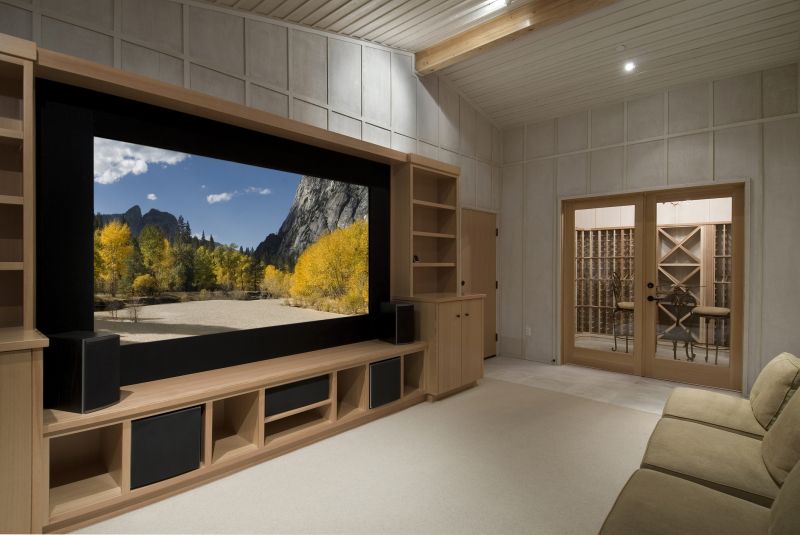



This scope builder helps compare local contractors for home theater replacement by standardizing scope, experience verification, and written expectations.
- Define project scope - clearly outline the specific tasks and components involved in the home theater replacement.
- Verify experience and expertise - ensure service providers have relevant experience with home theater systems and room modifications.
- Assess service provider reputation - review references, reviews, or portfolios to evaluate the quality of previous work.
- Establish communication expectations - agree on how project details, progress, and changes will be documented and shared.
- Clarify scope modifications in writing - document any adjustments to the original plan to prevent misunderstandings during the project.
When evaluating contractors for a home theater replacement, it is important to consider their experience with similar projects. Home theater installations can vary greatly in complexity, so seeking service providers who have demonstrated expertise in handling comparable spaces and equipment can help ensure a smooth process. Asking for examples of past work or references related to theater replacements can provide insight into their familiarity with the specific requirements and challenges involved.
A clear and detailed written scope is essential for aligning expectations and avoiding misunderstandings. A professional contractor should be able to provide a comprehensive description of the work involved, including the scope of installation, equipment handling, and any necessary modifications to the space. Having this information in writing allows homeowners to review exactly what will be done, ensuring that all aspects of the project are understood and agreed upon before work begins.
Verification basics are crucial when comparing service providers. Homeowners should inquire about how each contractor plans to verify that the work meets the agreed-upon scope and quality standards. This might include inspections, testing of audio-visual systems, or other quality checks. Clarifying these verification steps helps ensure that the project will be completed to expectations and that the system functions properly once installed.
Evaluating options without focusing on prices involves assessing the professionalism, communication, and clarity of each contractor’s proposal. Homeowners should consider how well each service provider explains their approach, the level of detail in their scope, and their responsiveness to questions. Comparing these elements can help identify which contractors are thorough and reliable, making it easier to select a partner capable of delivering a successful home theater replacement that meets the specific needs of the space.
Ask for written scope and expectations to ensure clarity and consistency when comparing local contractors for home theater replacement.
- Experience and Expertise - What specific experience do local contractors have with home theater replacements?
- Scope of Work - How do contractors define and outline the scope of the replacement project?
- Comparison of Services - What services and capabilities do different service providers offer for home theater upgrades?
- Work Guarantees and Warranties - Are the scope, deliverables, and responsibilities clearly documented in written agreements?
- Communication and Clarification - How do local contractors clarify project expectations and address any uncertainties before starting?
How can I compare contractors for home theater replacement? To compare local contractors, review their experience with similar projects, check for customer references, and ensure they provide clear written estimates outlining the scope of work.
What should be included in a scope of work for home theater replacement? A detailed scope should specify the components to be replaced, room modifications if needed, equipment installation, and any additional services to ensure clear expectations.
How can I verify a contractor’s experience in home theater replacement? Ask for examples of previous projects, request references, and review any available portfolios or customer testimonials to assess their familiarity with similar installations.
Why is it important to have a written agreement with a contractor? A written agreement helps define the scope, responsibilities, and expectations for the project, reducing misunderstandings and providing a clear record of the agreed-upon work.
What questions should I ask a contractor before hiring for home theater replacement? Inquire about their experience with similar projects, how they plan to handle the scope, the materials they recommend, and how they communicate progress and changes during the work.
How can I ensure the contractor understands my vision for the home theater? Clearly communicate your preferences and requirements in writing, and review the scope of work to confirm it aligns with your expectations before work begins.
Home theater replacement projects involve multiple considerations, including defining the scope of work, verifying the experience of service providers, and establishing clear expectations in writing. By comparing local contractors, homeowners can gather information to make informed decisions and find service providers who meet their specific needs. Using the quote form allows for easy access to a range of local options, helping to facilitate a thorough comparison process.
Taking the time to evaluate and compare local contractors ensures that expectations are clearly communicated and understood before work begins. The quote form offers a straightforward way to connect with service providers who can handle home theater replacement projects, enabling homeowners to explore options and find the right fit for their home improvement plans.